
Find Your Calm: How Meditation Reduces Stress and Anxiety

Chosen theme: How Meditation Reduces Stress and Anxiety. Today we explore practical techniques, science-backed insights, and real stories to help you breathe easier, think clearer, and feel steadier—starting right where you are.

What Stress Does to Your Brain—and How Meditation Steps In

The Amygdala’s Alarm and the Pause You Can Practice

Under stress, your amygdala sounds an internal alarm, sending your body into fight-or-flight. Meditation inserts a gentle pause, letting the thinking brain rejoin the conversation. Over time, that pause grows, and you regain choice where panic once ruled.

Cortisol, Breath, and the Rest-and-Digest Switch

When anxiety spikes, cortisol rises and breath becomes shallow. Slow, steady breathing during meditation activates the vagus nerve, nudging your body toward rest-and-digest. Many people notice warmer hands, slower heartbeats, and clearer thinking within minutes.

Quieting Rumination and the Default Mode Network

Anxious minds loop stories. Mindfulness practice helps you notice loops without fusing with them. By gently returning to your anchor, you reduce rumination’s grip, giving your brain a break from rehearsing worries that never quite resolve.

Two-Minute Mornings to Meet the Day Calmly

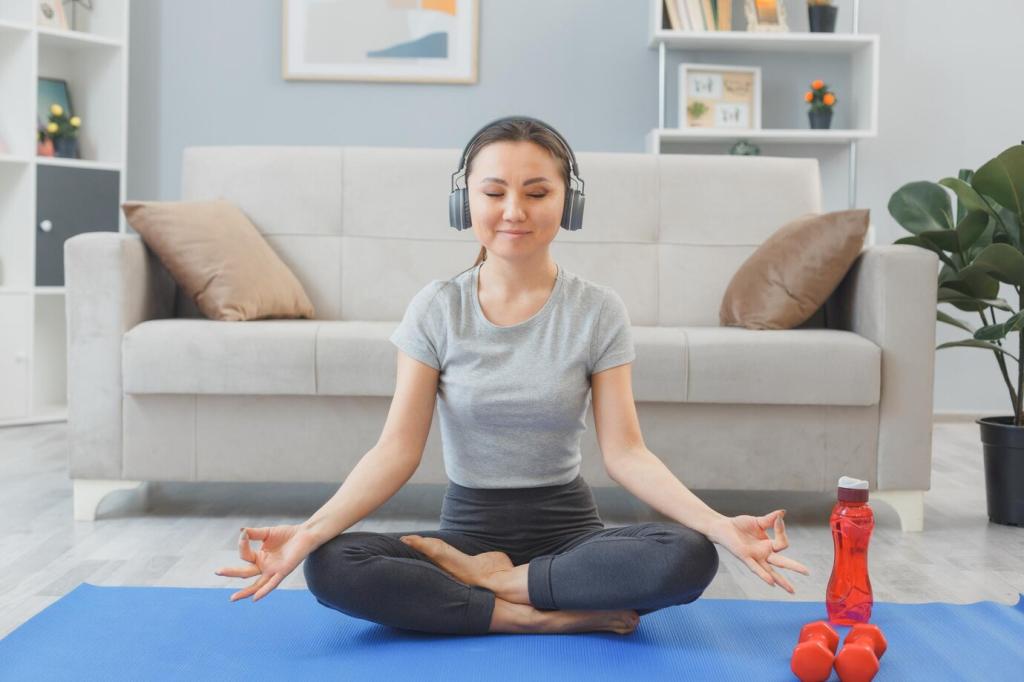
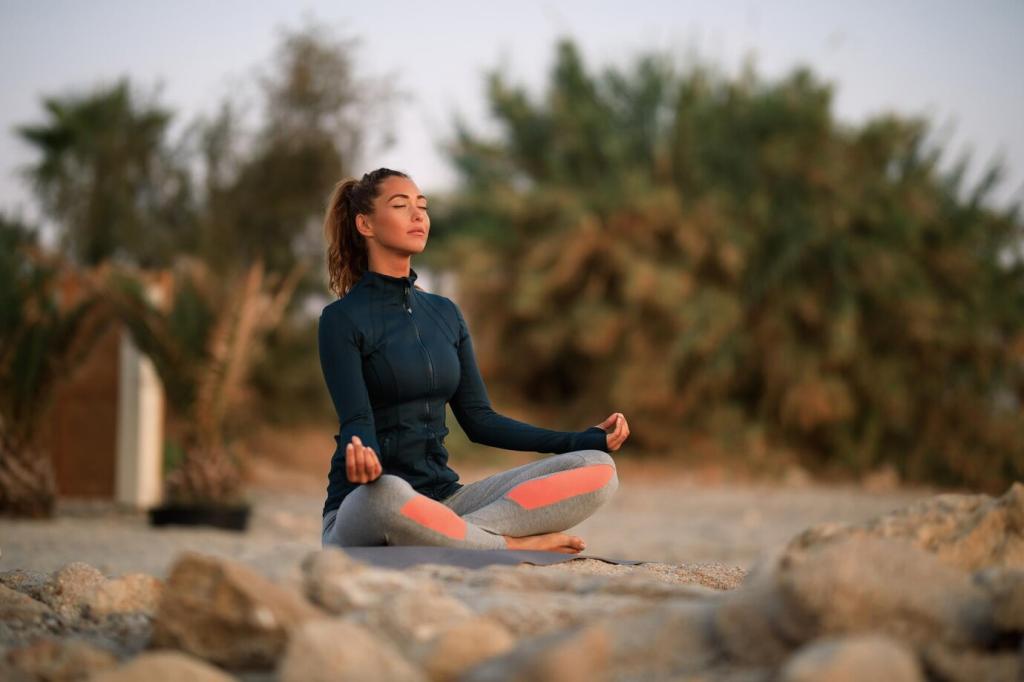
Sit comfortably, close your eyes or soften your gaze, and follow ten slow breaths. Count each exhale. If a thought arrives, greet it kindly and return. Two minutes can reset your morning and reduce the day’s anxious momentum before it starts.

Body as Anchor: Scan Tension, Invite Softness

Move attention from forehead to shoulders, chest, belly, hips, and feet. Notice tight spots without judgment, then breathe into them. Simply observing tension often softens it. The body becomes a safe harbor when thoughts feel stormy and fast.

Science You Can Feel: Evidence-Based Techniques

Mindfulness-Based Stress Reduction emphasizes present-moment awareness without judgment. Regular practice helps you notice stress earlier and respond more wisely. Many participants report better sleep, steadier moods, and a kinder inner voice after several weeks.

Science You Can Feel: Evidence-Based Techniques

When worry surges, try a body scan paired with noting: “tight chest,” “fast breath,” “racing thought.” Labeling gently separates you from the spiral. This small shift builds awareness, inviting calmer choices instead of frantic, automatic reactions.
Stories from the Quiet Edge of Worry

Maya used to dread midnight thoughts. She started pausing for three slow breaths, hand on her chest, before checking her phone. The ritual shortened her spirals, and after two weeks, she fell back asleep faster with gentler mornings.

Breath, Posture, and Place: Practical Calming Tools

Inhale through the nose for four counts, hold for seven, exhale through the mouth for eight. Repeat four times. Many people notice tension melting by the third round, as the long exhale signals safety to the nervous system.

Breath, Posture, and Place: Practical Calming Tools

Unclench your jaw, lower your shoulders, and lengthen your spine. A relaxed body sends calmer signals upward. While sitting, imagine space behind your heart and soften your face. This physical kindness often hushes mental static surprisingly quickly.

Working with Setbacks Without Self-Blame

01

Restlessness as a Teacher, Not a Failure

If your leg jiggles or thoughts race, notice the energy’s texture: buzzy, hot, jumpy. Breathe into it kindly. Curiosity turns discomfort into data, and data guides wiser adjustments tomorrow. Progress often hides inside your least comfortable sessions.
02

Thoughts Are Weather, Not Orders

Anxious thoughts command you to react now. Label them as passing weather. Sit through one urge without obeying it, and watch it fade. Each small victory rewires confidence that calm action can replace frantic, automatic reactivity.
03

When Extra Support Helps

Meditation is powerful, but sometimes anxiety needs more allies. Consider therapy, group practice, or supportive apps. Asking for help is practical courage. Tell us what support structures help you show up for yourself consistently and kindly.

Make Calm a Habit You’ll Actually Keep

Anchor meditation to coffee, lunch, or bedtime. For example, sit for five breaths before your first sip. Reliable cues reduce decision fatigue, so your practice feels natural, not forced, even on days when anxiety runs loud.
Muqawlasfalat
Privacy Overview

This website uses cookies so that we can provide you with the best user experience possible. Cookie information is stored in your browser and performs functions such as recognising you when you return to our website and helping our team to understand which sections of the website you find most interesting and useful.