Unlocking Calm: Understanding the Mental Health Benefits of Meditation

Today’s chosen theme: Understanding the Mental Health Benefits of Meditation. Step into a gentle, science-aware space where stories, practical tools, and mindful rituals help you meet anxiety with steadiness, nurture compassion, and build emotional resilience day by day.

What Science Says About Meditation and the Mind

Meditation can soften the body’s stress cascade, easing overactivation and helping your nervous system recover faster after everyday bumps. Many practitioners report fewer spikes of anxiety and more space to respond thoughtfully, rather than reacting automatically.

What Science Says About Meditation and the Mind

Regular practice is associated with changes in regions linked to emotion and attention, including the amygdala and prefrontal cortex. Over time, people often notice steadier moods, clearer thinking, and an improved ability to pause before spiraling into worry.
Everyday Anxiety, Meet Your Match

Breath as an Anchor

When thoughts race, gently return attention to the breath, counting each exhale. Even one minute helps. By training your attention repeatedly, you signal safety to the body and give your mind a calmer focal point.

Name It to Tame It

Label sensations and emotions as they arise: tightness, buzzing, fear, worry. Naming shifts the brain from alarm to observation, creating psychological distance and reducing the urge to fight what you feel.

A Story of a 3 P.M. Spiral

Maya noticed her chest tighten before a big meeting. She paused, felt her feet, took ten slow breaths, and named the fear. Anxiety loosened; clarity returned. Five mindful minutes changed her afternoon.

Depression, Rumination, and the Power of Attention

When repetitive thoughts intensify sadness, practice returning to a neutral anchor—breath, sound, or sensations. Each gentle return weakens the rumination habit and strengthens your capacity to choose where attention rests.

Sleep, Burnout, and Restorative Stillness

Try a body scan in bed, moving attention from toes to scalp. Notice tension, soften it, and lengthen exhales. This gentle ritual trains your nervous system to associate stillness with safety and sleep.

Sleep, Burnout, and Restorative Stillness

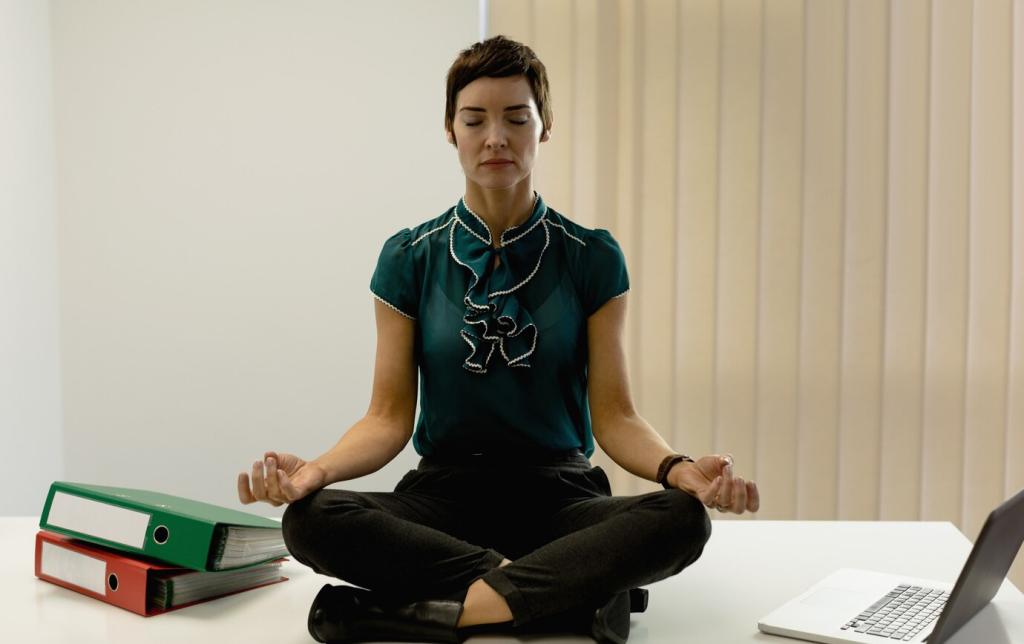
Between tasks, close your eyes for sixty seconds. Feel your breath, relax your jaw, and soften your shoulders. These micro-resets disrupt stress momentum and support steadier focus throughout demanding days.

Building a Practice That Sticks

Pick a minimum you can always meet—two minutes, same time daily. Consistency reconditions the mind faster than occasional long sits, and tiny wins keep motivation warm through busy seasons.

Building a Practice That Sticks

Experiment with mindfulness, loving-kindness, body scan, or mantra. Choose the style that meets your current needs—calming anxiety, lifting mood, or sharpening focus—and adjust as your life and season change.

Tell Us Your Story

What shifts have you noticed—better sleep, fewer spirals, a kinder inner voice? Share a moment from your week. Your story might be the encouragement someone else needs today.

Subscribe for Guided Sessions

Subscribe to receive brief guided practices and evidence-informed notes that support mental health. We’ll keep it practical, compassionate, and doable, so you can grow calm without overwhelm.
Muqawlasfalat
Privacy Overview

This website uses cookies so that we can provide you with the best user experience possible. Cookie information is stored in your browser and performs functions such as recognising you when you return to our website and helping our team to understand which sections of the website you find most interesting and useful.