Boosting Mental Resilience through Meditation

Chosen theme: Boosting Mental Resilience through Meditation. Welcome to a refreshing, practical journey where calm becomes your superpower and stress becomes a teacher. Join us, share your experiences, and subscribe for weekly practices that strengthen your mind, heart, and everyday courage.

Resilience Redefined: From Coping to Growing

Instead of merely returning to baseline, meditation nurtures bounce-forward growth—learning from friction and integrating lessons into stronger habits. By calmly observing thoughts, you shift from reactivity to choice, transforming setbacks into stepping-stones. Share a moment when a pause helped you choose better.

Resilience Redefined: From Coping to Growing

Stress is not the enemy; unmanaged stress is. Meditation conditions your attention to stay steady, even when emotions rise. This training effect builds confidence: you discover you can remain grounded, curious, and kind while navigating pressure. Tell us how you currently recover after a tough day.
The Brain on Meditation: Pathways to Stability

Focused attention practices strengthen prefrontal circuits that guide planning and impulse control. With a sturdier steering wheel, emotions still arise, but you skid less. Over time, you notice urges without obeying them. Comment if you’ve felt that extra beat of choice before reacting.

The Brain on Meditation: Pathways to Stability

Meditation can reduce amygdala reactivity, helping you recognize alarms without spiraling. This is not emotional shutdown—it’s clarity under pressure. You become responsive, not explosive. Share a recent moment when you felt the volume of stress turn down after a few conscious breaths.

A 21-Day Practice Blueprint

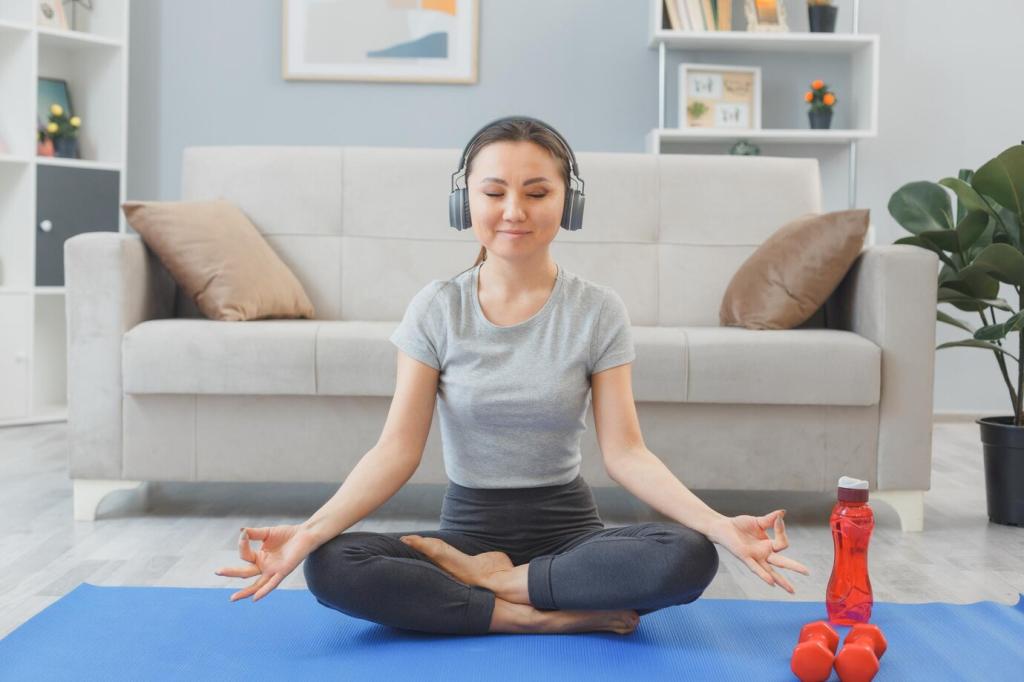
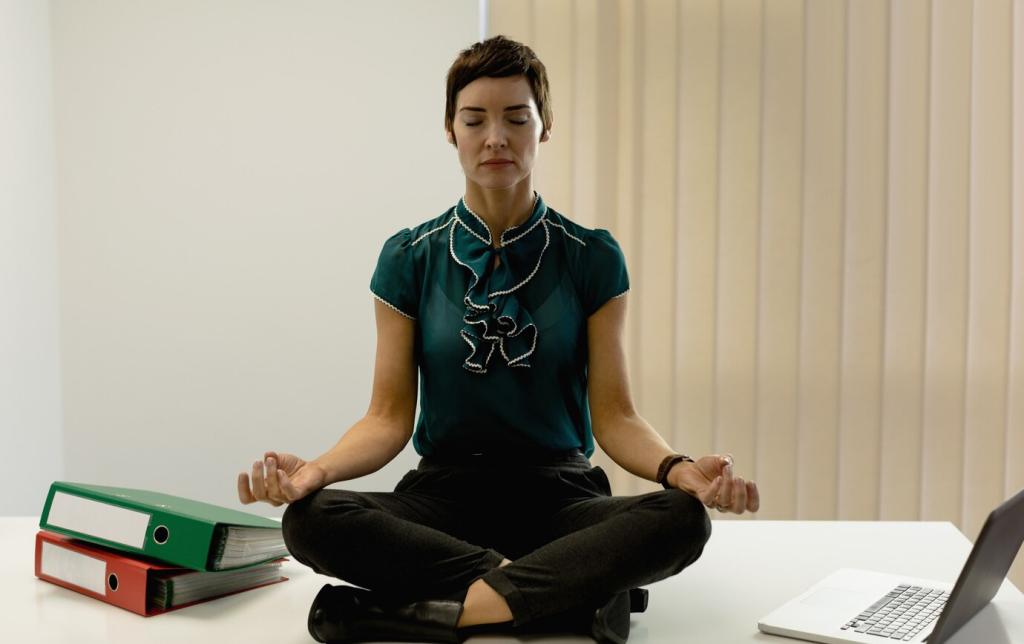
Begin each day with five minutes of breath awareness. Sit comfortably, notice the inhale and exhale, and gently return when the mind wanders. This steady anchor sets a calm tone before emails and obligations compete for attention. Share your preferred time and setup.

A 21-Day Practice Blueprint

Sprinkle three one-minute pauses across your workday. Close your eyes, unclench the jaw, and follow ten slow breaths. These mini-resets clear mental fog and improve decision quality. Add calendar reminders titled “Breathe to think better.” Tell us which times work best for you.

Stories from the Field: Real Resilience, Real People

A Nurse on the Night Shift

During a chaotic code, Maya felt panic rising. She took three slow breaths, named her fear silently, and refocused on the checklist. Later she said, “The situation was intense, but the breath gave me space to act.” What phrase helps you steady your nerves?

A Founder’s Pitch Day

On the elevator ride up, Luis practiced box breathing. Instead of rehearsing doom scenarios, he visualized answering tough questions calmly. After the meeting, he noticed clearer recall and steadier voice. Have you tried a breathing practice before public speaking? Share your experience below.

A Student Before Exams

Priya used a three-minute body scan outside the exam hall, releasing tension from shoulders to calves. Anxiety didn’t vanish, but it stopped hijacking her focus. She finished with a compassionate note to herself: “You’ve prepared.” What supportive sentence would you write on your wrist?

On-the-Spot Tools for Turbulent Moments

Inhale for four counts, hold four, exhale four, hold four. Repeat four cycles. The structure occupies anxious loops and restores rhythm to the nervous system. Use discreetly with eyes open if needed. Save this technique to your phone for emergencies and report back after trying it.

On-the-Spot Tools for Turbulent Moments

Silently name what you feel: “frustration,” “fear,” or “sadness.” This simple act recruits language centers, reducing emotional intensity. You’re not pushing feelings away—you’re holding them gently. Practice during minor irritation first. Share one emotion you labeled today and how it shifted your response.

Measure What Matters and Grow Together

Instead of counting minutes alone, track outcomes that matter—recovery time after stress, fewer reactive emails, deeper sleep, or kinder self-talk. Jot a daily note. Over weeks, patterns appear and encourage you. Comment which metric you’ll track to boost your resilience through meditation.

Measure What Matters and Grow Together

Pair with a buddy for a quick weekly message: what you practiced, what helped, and one intention for the next week. Light structure beats perfectionism. Drop a “looking for a buddy” comment, and we’ll help match readers with similar schedules and goals.
Muqawlasfalat
Privacy Overview

This website uses cookies so that we can provide you with the best user experience possible. Cookie information is stored in your browser and performs functions such as recognising you when you return to our website and helping our team to understand which sections of the website you find most interesting and useful.