Meditation and Its Impact on Emotional Well-being

Chosen theme: Meditation and its Impact on Emotional Well-being. Explore how a few quiet minutes each day can soothe stress, grow emotional resilience, and invite steadier joy. If this speaks to you, subscribe and share your intentions for this week’s practice.

The Science Behind Calmer Feelings

Decades of imaging studies suggest regular meditation reduces amygdala reactivity and strengthens prefrontal networks involved in attention and regulation. Over time, that translates into more space between trigger and response, so emotions feel informative rather than overwhelming.

The Science Behind Calmer Feelings

Mindful breathing and present-moment awareness can lower cortisol and improve vagal tone, supporting calmer heart rhythms. When your physiological stress response softens, emotional storms pass faster, leaving clarity instead of fatigue and second-guessing.

Start with five minutes that count

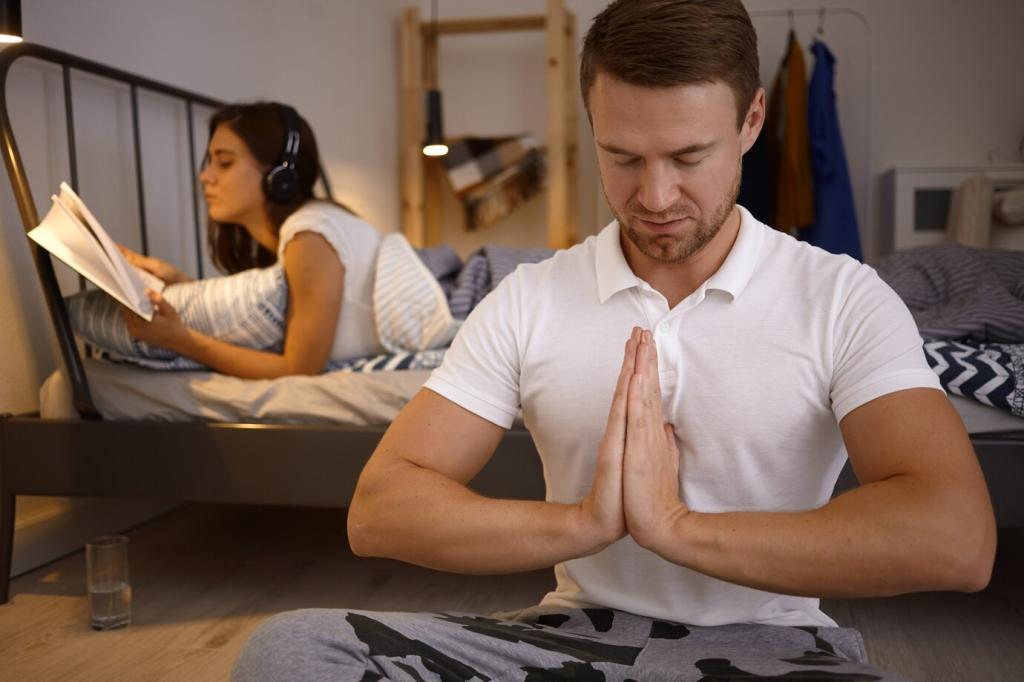
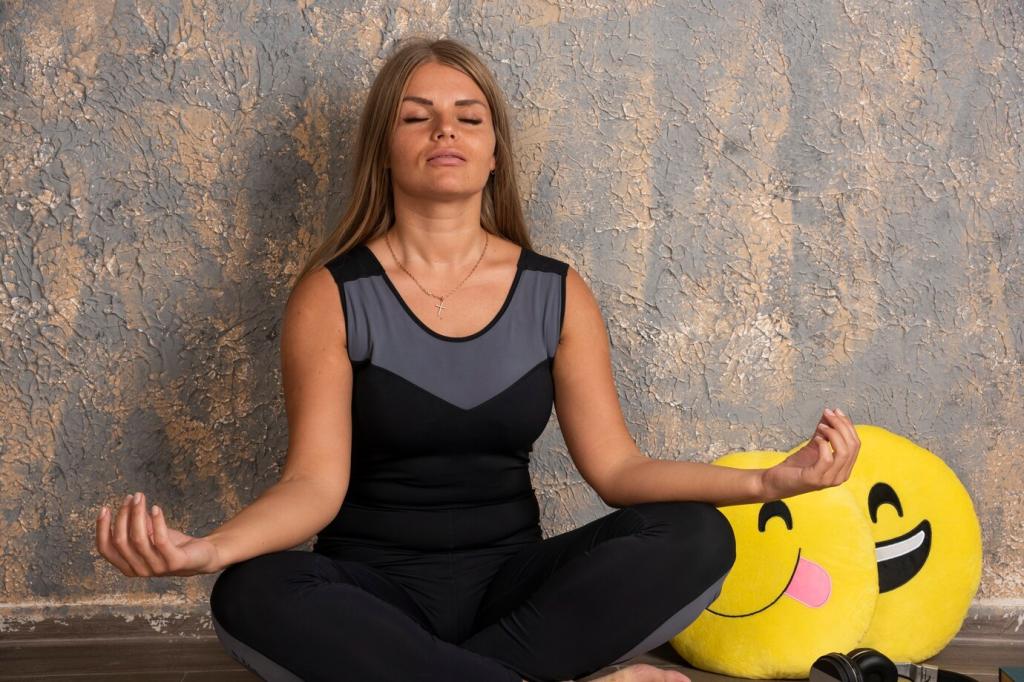
Sit comfortably, soften your gaze, and follow your breathing. When thoughts wander, notice kindly and return to the breath. Five grounded minutes daily can stabilize emotions more reliably than occasional long sits.

Anchor techniques: breath, body, sound

Choose one anchor and stay loyal. Breath at the nostrils, sensations in the hands, or ambient sounds can tether attention. A consistent anchor helps emotions move through without sweeping you away.

Techniques for Emotional Resilience

Mindfulness: noticing without judgment

Name what is present: “tightness, worry, warmth.” Labeling feelings softly reduces their charge. With practice, you witness waves rise and fall, which restores choice and steadies your mood during difficult moments.

Loving-kindness: growing warmth that lasts

Silently offer phrases like, “May I be safe. May I be peaceful.” Then extend to a friend, a stranger, even a challenge. Compassion practice cushions hard emotions without numbing your sensitivity or honesty.

Body scan: releasing tension you didn’t notice

Move attention slowly from toes to scalp, noticing pressure, temperature, or pulsing. Subtle relaxation signals safety to your nervous system, helping irritation and sadness unwind into grounded clarity and ease.

Stories from the Cushion

When Maya began, her mornings felt like emergencies. Three weeks of gentle breath practice didn’t erase worry, but it created breathing room. She describes the shift as “less panic, more permission to begin again.”

Stories from the Cushion

Sam paused during a tense meeting, felt his clenched jaw, and took two slow breaths. Instead of snapping, he asked one clarifying question. The issue resolved in minutes, and his afternoon stayed remarkably calm.

Meditation at Work and Home

Between tasks, close your eyes for three breaths. Feel the exhale lengthen. These micro-resets lower reactivity, so you reply thoughtfully rather than firefight feelings. Try one today and report your experience in the comments.

Meditation at Work and Home

Before entering a delicate discussion, place a hand on your chest and breathe. Silently wish both people ease. This practice softens defensiveness and helps difficult emotions transform into curiosity and care.

Measuring Emotional Well-being

A simple journal template

After sitting, note duration, anchor, mood before and after, and one emotion you met kindly. Patterns emerge, revealing which practices calm you most during stress and which sustain joy on ordinary days.

Signals from your nervous system

Pay attention to breath depth, muscle tension, and heart pace. As meditation stabilizes emotions, you’ll notice softer shoulders, slower exhalations, and quicker recovery after setbacks—physiological proof of growing resilience.

When the mind won’t sit still

Use a smaller target: count exhales up to five, then begin again. Restlessness is energy seeking direction; rhythm and repetition help it settle without force or frustration.

If drowsiness wins

Open your eyes, sit taller, or try a standing meditation. Morning light, a splash of water, or a brisk walk before sitting can transform sleepiness into bright, attentive ease.

Handling doubt and dry spells

Return to intention: emotional steadiness, kinder self-talk, steadier relationships. Read a brief teaching, join a group, or invite a friend. Comment with one obstacle you’d like help with—we’ll respond with ideas.
Muqawlasfalat
Privacy Overview

This website uses cookies so that we can provide you with the best user experience possible. Cookie information is stored in your browser and performs functions such as recognising you when you return to our website and helping our team to understand which sections of the website you find most interesting and useful.